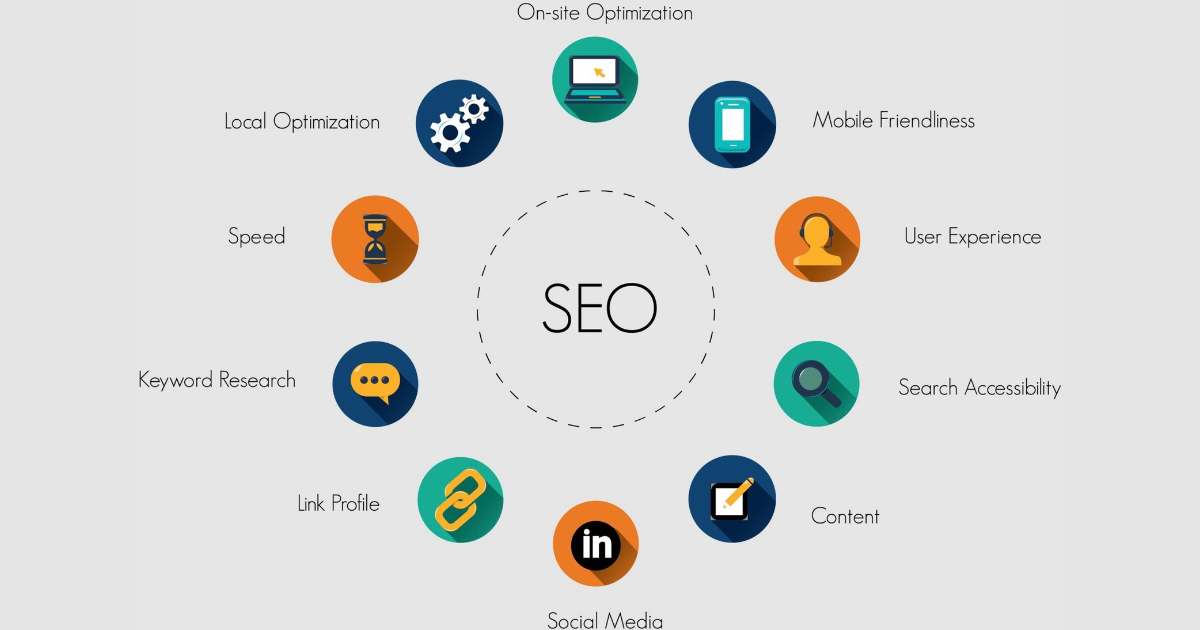
What is SEO and how it works
If you have a website, you’ve probably heard the term SEO many times. But what exactly is SEO, and how does it work?
SEO stands for Search Engine Optimization. It is the process of improving a website so that search engines can understand its content and people can discover it through organic search results.
SEO isn’t about finding a secret trick to reach the top of Google. It’s about creating a useful website, making it easy for search engines to crawl and understand, and providing information that matches what people are looking for.
Let’s break it down.
What Is SEO?
Search Engine Optimization (SEO) is the practice of improving the visibility of web pages in unpaid, or organic, search engine results.
For example, imagine someone searches Google for:
“best website design services for small businesses”
Google looks through its index and determines which pages are most relevant and useful for that search.
SEO helps your website make its content easier for search engines to understand and easier for users to find.
How Does SEO Work?
Search engines generally go through several important processes:
- Crawling
- Indexing
- Ranking
Understanding these three steps makes SEO much easier to understand.
1. Crawling
Search engines use automated programs, often called crawlers or bots, to discover pages on the internet.
These crawlers follow links and visit websites to find new or updated content.
If a page cannot be accessed or crawled properly, it may be difficult for a search engine to discover and process it.
2. Indexing
After discovering a page, a search engine can analyze and store information about its content in an index.
The index is essentially a large collection of information about web pages that the search engine has discovered.
However, simply having a page indexed doesn’t mean it will automatically rank highly for a particular search.
3. Ranking
When someone performs a search, the search engine determines which indexed pages are relevant to the query and how they should be displayed.
Many factors can influence search results.
These can include the relevance and quality of the content, the searcher’s context, page usability, and signals from other websites.
This is why SEO involves much more than simply adding keywords to a page.
Why Is SEO Important?
People use search engines every day to find answers, products, services, businesses, and information.
If your website appears when someone searches for something related to your business, you have an opportunity to bring that person to your website.
SEO can help businesses:
- Increase organic search visibility
- Attract relevant website visitors
- Reach people searching for their products or services
- Improve website usability
- Build a stronger online presence
- Support long-term organic traffic
SEO doesn’t guarantee a specific amount of traffic, leads, or sales, but it can help create a stronger foundation for organic search visibility.
The Main Types of SEO
SEO is often divided into several areas.
On-Page SEO
On-page SEO focuses on elements directly on your website.
This can include:
- Page titles
- Headings
- Content
- URLs
- Internal links
- Images
- Meta descriptions
- Content structure
The goal is to make each page clear, useful, and relevant to its intended topic.
Technical SEO
Technical SEO focuses on the technical aspects of a website that can affect crawling, indexing, and usability.
Examples include:
- Website speed
- Mobile usability
- HTTPS
- Crawlability
- Structured data
- XML sitemaps
- Redirects
- Canonical URLs
- Indexing controls
Technical SEO doesn’t replace good content. Both areas work together.
Off-Page SEO
Off-page SEO refers to activities and signals outside your own website.
One major area is earning links from other relevant websites.
Other forms of online recognition and mentions can also contribute to how a website is discovered and understood.
The focus should be on building genuine authority rather than manipulating search engines with spam.
Local SEO
Local SEO is particularly important for businesses that serve specific locations.
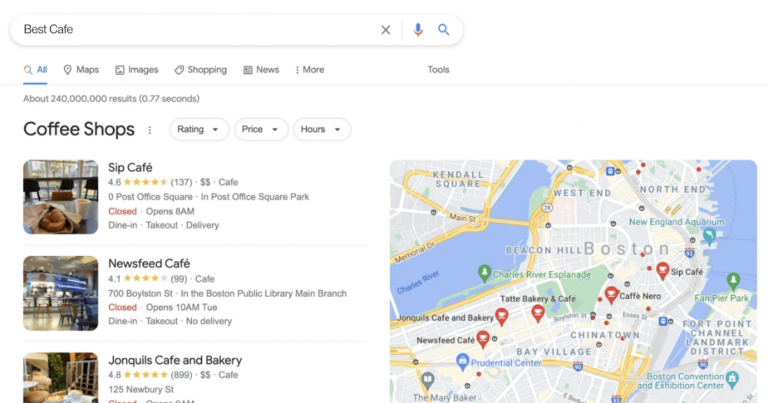
It involves improving your online presence so that your business can be discovered by people searching for relevant products or services in a particular area.
Local SEO can involve:
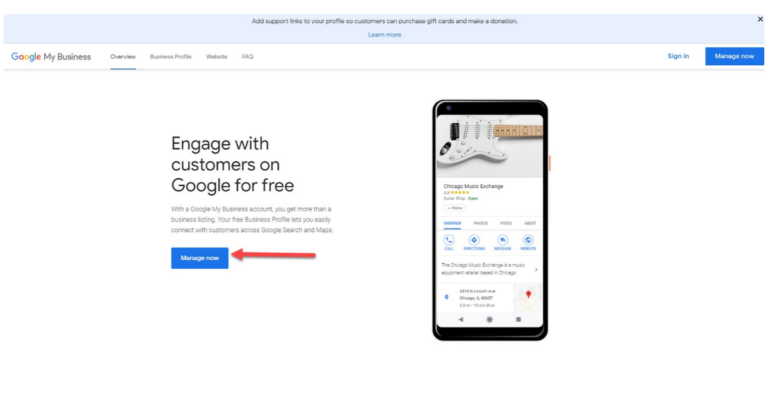
- Google Business Profile
- Local business information
- Customer reviews
- Local content
- Relevant directories
- Website location information
What Are Keywords in SEO?
Keywords are words or phrases people use when searching for information online.
For example:
- “SEO services”
- “WordPress website design”
- “how to improve website speed”
- “digital marketing agency”
Keyword research helps you understand what your audience is searching for.
However, modern SEO isn’t about repeating the same keyword as many times as possible.
Instead, create content that naturally addresses the topic and satisfies the searcher’s needs.
What Is Search Intent?
Search intent is the reason behind a person’s search.
For example, someone searching:
“What is SEO?”
is probably looking for information.
Someone searching:
“buy running shoes online”
has a very different purpose.
Understanding search intent helps you create the right type of page for the search.
If the searcher wants information, an informative article may be appropriate. If they’re looking for a service, a well-structured service page may be more suitable.
How Does Google Decide Which Pages to Show?
Google uses automated systems to organize and rank information in its search results.
There isn’t one simple ranking factor that determines where every page appears.
Search results can be influenced by factors such as:
- Relevance to the search query
- Quality and usefulness of content
- Website and page experience
- Search context
- Links and references from other websites
- Technical accessibility
- Location for searches where location matters
The exact systems used by search engines are complex and can change over time.
Does SEO Work Immediately?
Usually, SEO should be viewed as a long-term process rather than an instant marketing method.
Some technical changes may have an effect relatively quickly, while improvements in organic visibility can take considerably longer.
The timeline can depend on:
- Website history
- Competition
- Industry
- Content quality
- Technical condition
- Existing website authority
- Search demand
- Consistency of SEO work
There is no universal timeframe for SEO results.
Common SEO Mistakes
If you’re starting SEO, avoid common mistakes such as:
Keyword Stuffing
Repeating keywords unnaturally can make content difficult to read and isn’t a good SEO strategy.
Duplicate Content
Creating multiple pages with substantially similar content can make it harder to establish which page should be shown for a search.
Buying Spammy Backlinks
Large numbers of low-quality or manipulative links can create risks rather than building genuine authority.
Publishing Low-Quality Content
Publishing hundreds of short articles that don’t provide useful information isn’t a substitute for helpful content.
Ignoring Mobile Users
A website that works poorly on mobile devices can create a frustrating experience for visitors.
Expecting Guaranteed Rankings
No legitimate SEO strategy can guarantee that a particular page will permanently rank in a specific position.
How to Start SEO for a New Website
If you’re starting from scratch, you don’t need to do everything at once.
A simple starting process is:
Step 1: Understand your target audience.
Step 2: Research relevant search topics and keywords.
Step 3: Organize your website structure.
Step 4: Create useful, original content.
Step 5: Optimize page titles, headings, URLs, and internal links.
Step 6: Make sure search engines can crawl and index important pages.
Step 7: Improve website speed and mobile usability.
Step 8: Build relevant and genuine online references.
Step 9: Set up Google Search Console and monitor performance.
Step 10: Continue improving your content and website based on what you learn.
Final Thoughts
So, what is SEO and how does it work?
In simple terms, SEO is about helping search engines understand your website while making your content genuinely useful to the people who visit it.
Search engines discover and process web pages, then use many signals to determine which results are relevant for a particular search.
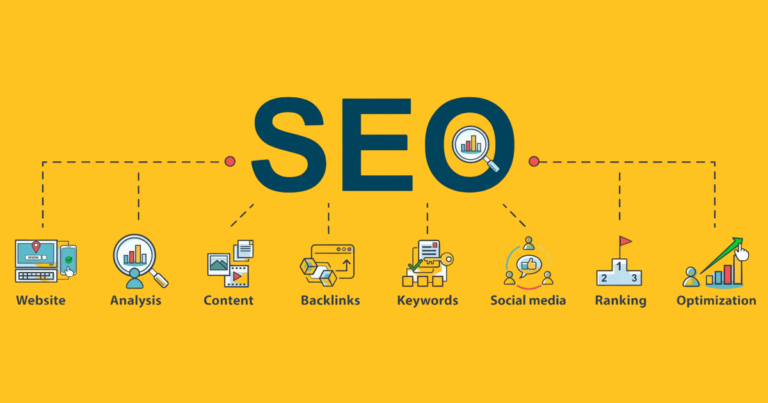
A successful SEO strategy usually combines useful content, good website structure, technical SEO, relevant keywords, internal linking, and genuine authority.
SEO takes time, but consistently improving your website and creating content that helps your audience can give you a stronger foundation for long-term organic search visibility.