How do I make my business digital?
If you run a traditional business, you may be wondering, “How do I make my business digital?”
Going digital doesn’t necessarily mean completely changing the way your business works. It means using websites, online platforms, digital marketing, and technology to make it easier for customers to find your business, contact you, and buy your products or services.
For a small business, the process can be surprisingly simple when you take it one step at a time.
What Does It Mean to Make a Business Digital?
A digital business uses online tools and platforms as part of its everyday operations and customer experience.
This can include:
- Having a professional website
- Appearing on Google Search and Google Maps
- Using social media
- Accepting online enquiries
- Promoting products or services online
- Using digital advertising
- Communicating with customers online
- Managing business information digitally
You don’t have to do everything on the first day. Start with the areas that can make the biggest difference to your customers.
Step 1: Create a Professional Website
A website is often the foundation of a business’s online presence.
Your website should clearly explain:
- What your business does
- Products or services you offer
- Who you serve
- Where you operate
- How customers can contact you
Make sure the website works well on mobile phones and is easy to navigate.
You don’t need hundreds of pages. A simple, well-organized website can be enough to get started.
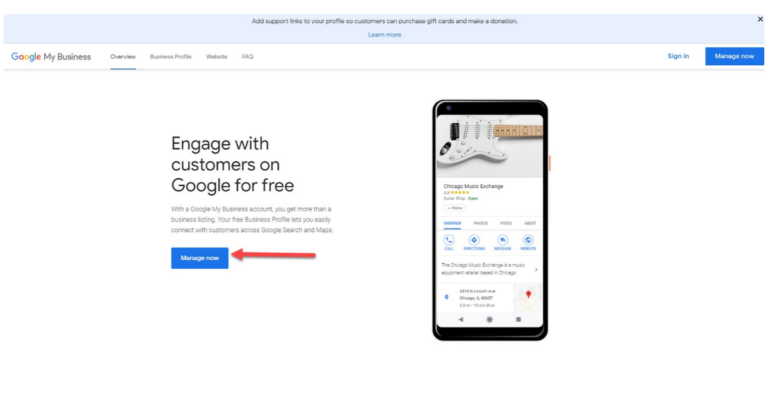
Step 2: Set Up a Google Business Profile
If you serve customers locally, create and verify a Google Business Profile.
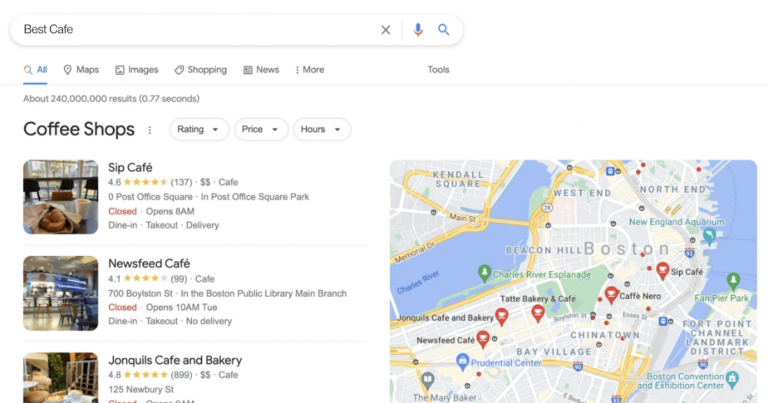
A Google Business Profile can help your business appear on Google Search and Google Maps.
Add accurate information such as:
- Business name
- Category
- Address or service area
- Phone number
- Website
- Opening hours
- Photos
- Services
Keep the information updated whenever something changes.
Creating the profile itself is free, although improving your local visibility may involve additional SEO work or marketing.
Step 3: Make Your Business Easy to Find on Google
Having a website doesn’t automatically mean people will find it in search results.
This is where SEO, or Search Engine Optimization, becomes useful.
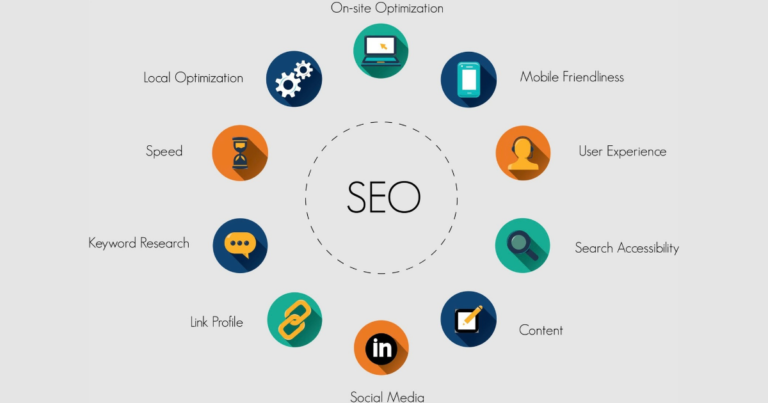
Basic SEO includes:
- Researching relevant search terms
- Creating useful content
- Optimizing page titles and headings
- Improving website structure
- Adding internal links
- Making the website mobile-friendly
- Improving page speed
- Fixing technical problems
For local businesses, local SEO can also help improve your online presence in location-based searches.
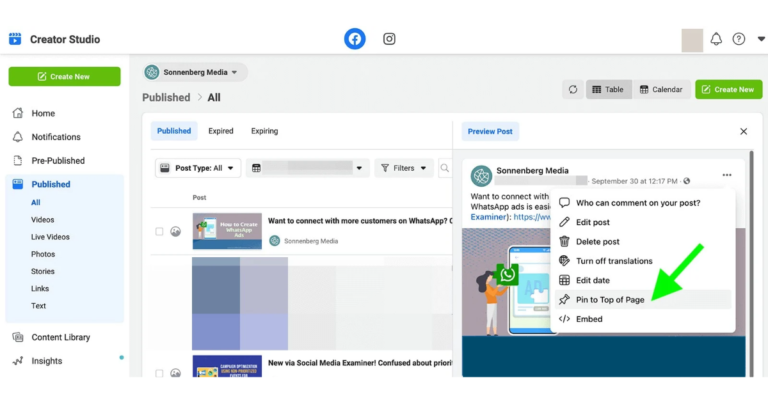
Step 4: Create Social Media Profiles
Choose social media platforms that make sense for your customers.
For many businesses, Facebook and Instagram can be useful places to build an online presence.
Your profile should clearly show:
- Business name
- Logo or profile image
- Description
- Contact information
- Website
- Location, where relevant
- Products or services
Don’t create accounts on every platform just because they exist. Focus on the platforms where your target customers actually spend time.
Step 5: Start Creating Useful Content
Digital businesses need more than profiles and websites.
Content can help you communicate with potential customers and answer their questions.
You could create:
- Blog articles
- How-to guides
- FAQs
- Product information
- Service explanations
- Short videos
- Social media posts
- Customer tips
The best content is usually content that solves a real problem or answers a question.
Step 6: Use Online Advertising
Organic search and social media can take time to build.
Online advertising can help you reach potential customers more directly.
For example, Google Ads can show advertisements to people searching for relevant products or services.
Facebook and Instagram advertising can also help businesses reach selected audiences.
Before spending money on advertising, decide:
- What you’re promoting
- Who you’re targeting
- How much you can spend
- What action you want customers to take
- How you’ll measure results
Advertising does not guarantee leads or sales, so track the results carefully.
Step 7: Make It Easy for Customers to Contact You
A digital business should make communication simple.
Depending on your business, you could offer:
- Contact forms
- Phone calls
- Online messaging
- Social media messages
- Appointment requests
Don’t make customers search through multiple pages just to find your contact information.
Step 8: Improve Your Online Reputation
People often research a business before contacting or buying from it.
Encourage genuine customers to leave honest reviews on relevant platforms.
Also respond professionally to customer feedback.
Never create fake reviews or pay people to pretend they are customers.
A strong online reputation is built through real customer experiences.
Step 9: Organize Your Business Information
Make sure your important business information is consistent across your online presence.
Check your:
- Business name
- Address
- Phone number
- Website
- Opening hours
- Service information
Update information when your business changes.
Outdated information can cause customers to call the wrong number, visit the wrong location, or misunderstand your services.
Step 10: Use Digital Tools for Everyday Work
Going digital isn’t only about marketing.
You can also use technology to make daily business tasks easier.
Depending on your needs, digital tools can help with:
- Customer communication
- Invoicing
- Appointment scheduling
- Document management
- Project management
- Accounting
- Email marketing
- Customer records
Choose tools based on actual business needs rather than using complicated software simply because it is popular.
Step 11: Protect Your Business Online
As your business becomes more digital, security becomes increasingly important.
Use strong, unique passwords and enable two-factor authentication wherever possible.
Keep your website, WordPress installation, plugins, and other software updated.
Regularly back up important business data.
Also be careful with suspicious emails, login requests, and links.
Step 12: Track Your Results
Digital marketing gives you the opportunity to measure what is happening.
Use analytics and reporting tools to understand things such as:
- Website visitors
- Search traffic
- Popular pages
- Enquiries
- Advertising performance
- Social media engagement
Don’t focus only on follower counts or website traffic. Try to understand whether your digital activities are helping you achieve actual business goals.
How Much Does It Cost to Make a Business Digital?
There isn’t one fixed cost.
A small business can start with relatively simple and affordable tools, while a larger company may require more advanced websites, software, advertising, and technology.
Your costs may include:
- Domain name
- Web hosting
- Website development
- SEO
- Advertising
- Business software
- Social media management
- Payment systems
You don’t need to purchase everything at once.
Start with the essentials and expand as your business grows.
Common Mistakes When Going Digital
Here are some mistakes businesses should avoid:
Trying to Do Everything at Once
Start with the platforms and tools that are most relevant to your customers.
Building a Website and Forgetting About It
A website should be maintained and updated when your business information changes.
Buying Fake Followers or Reviews
Fake engagement doesn’t create genuine customers and can damage trust.
Ignoring SEO
A beautiful website is less useful if potential customers can’t discover it through search.
Spending on Ads Without Tracking Results
Always understand what you’re spending and what you’re getting in return.
Using Outdated Information
Keep your phone number, address, opening hours, and services updated across your online profiles.
A Simple Digital Transformation Plan
If you’re starting from zero, you can follow this basic roadmap:
Week 1: Set up your business website and basic online information.
Week 2: Create or verify your Google Business Profile and set up relevant social media accounts.
Week 3: Start basic SEO and publish useful content.
Week 4: Consider online advertising and begin measuring your results.
After that, continue improving your website, content, search visibility, customer communication, and digital marketing based on what works for your business.
Final Thoughts
If you’re asking “How do I make my business digital?”, you don’t need to transform everything overnight.
Start by creating a professional website, making your business visible on Google, setting up relevant social media profiles, and giving customers simple ways to contact you.
Then build on that foundation with SEO, useful content, online advertising, digital tools, and regular performance tracking.
The goal isn’t simply to have a business online. The goal is to create a digital presence that makes your business easier to find, easier to understand, and easier for customers to contact.